

Borders, Obstacles & Buffering
OptiWindNet models site bounds with an exterior border (allowed area) and interior obstacles (exclusion zones), and keeps electrical network design compliant with the bounds. This notebook walks from initialization and optimization under constraints, through cleaning and buffering the geometry, to validating turbine/substation placement. We will explore following features (methods):
Optimize under bounds:
.optimize(): optimize electrical network while enforcing border/obstacle constraints.Merge & clean boundary:
.merge_obstacles_into_border(): resolve intersections/touching constriants, absorb irrelevant obstacles, and simplify the exterior boundary.Buffer geometry:
.add_buffer(buffer_dist=...): expand the border and shrink obstacles to add safety margins; might smooth concavities or remove obstacles depending onbuffer_dist.Compare originals vs buffered:
.plot_original_vs_buffered(): overlay plot of border/obstacles before and after buffering to inspect how buffering changed shapes.Validate placement:
.is_layout_within_bounds(): confirm turbines/substations lie inside the border and outside obstacles.
Import required packages
[1]:
from optiwindnet.api import WindFarmNetwork
import numpy as np
import matplotlib.pyplot as plt
[2]:
# Display figures as SVG in Jupyter notebooks
%config InlineBackend.figure_formats = ['svg']
Borders and obstacles
1. Initialize
Create a WindFarmNetwork instances from an `osm.pbf´ file and optimize it.
[3]:
wfn1 = WindFarmNetwork.from_pbf(filepath='data/DTU_letters.osm.pbf', cables=7)
Plot the location geometry and the optimized network to confirm that the borders and obstacles are properly initailized and considered for optimization.
[4]:
wfn1
[4]:

[5]:
wfn1.L.graph['T']
[5]:
40
[6]:
res_optimize = wfn1.optimize()
wfn1
[6]:
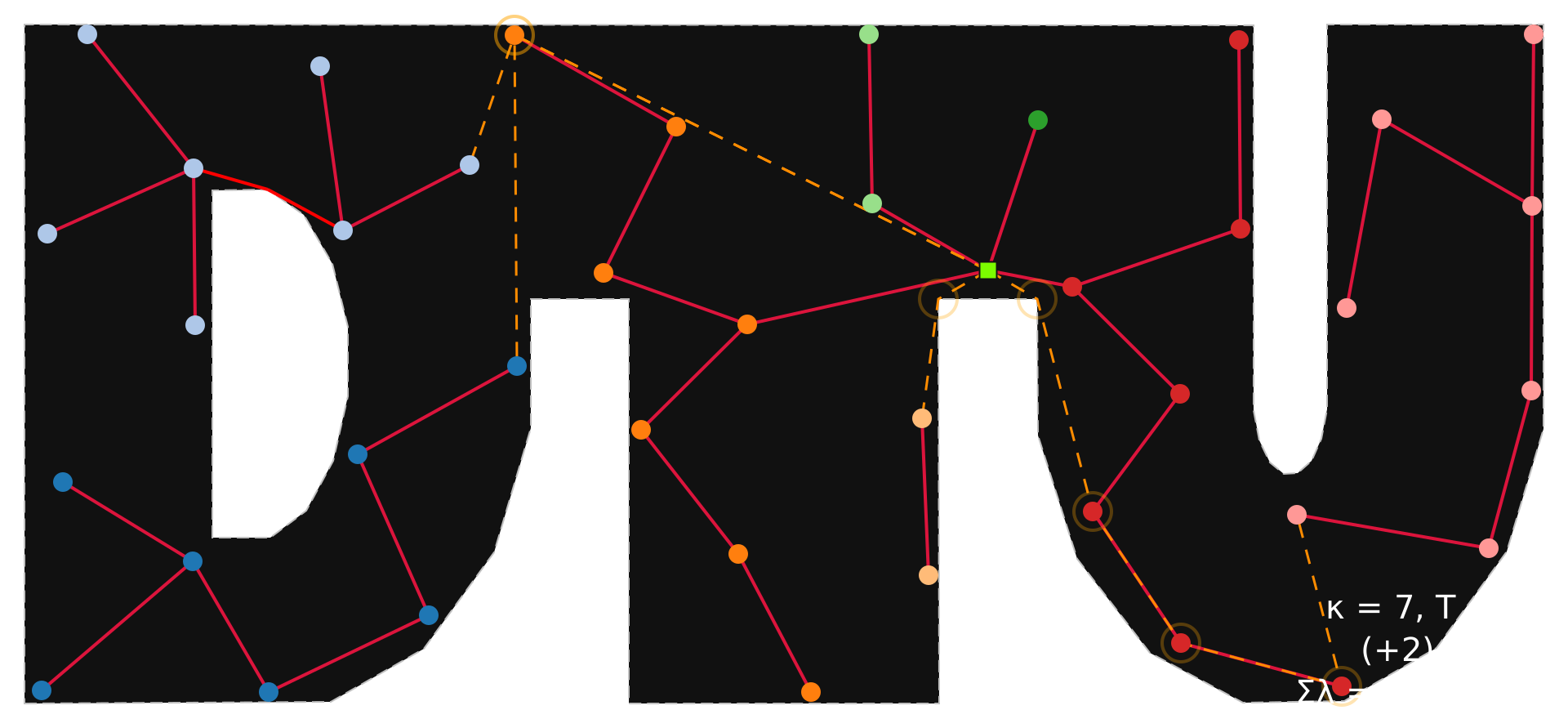
Note: OptiWindNet works properly without borders/obstacles also.
2. Obstacles intersecting with the exterior borders
Let’s create an instance of WindFarmNetwork directly via coordinates to have full control over border/obstacle definition.
[7]:
turbinesC = np.array([
       [ 316976, 6175410],
       [ 316998, 6175380],
       [ 316965, 6175368],
       [ 316997, 6175347],
       [ 316967 , 6175314],
       [ 317009 , 6175267],
       [ 317044, 6175282],
       [ 316994 , 6175296],
       [ 317065, 6175335],
       [ 317030, 6175318],
       [ 317029 , 6175366],
       [ 317026, 6175401],
       [ 317057, 6175379],
       [ 317085, 6175354],
       [ 317068, 6175406],
       [ 317144, 6175403],
       [ 317115, 6175342],
       [ 317091, 6175320],
       [ 317240, 6175259],
       [ 317111 , 6175293],
       [ 317126, 6175262],
       [ 317152, 6175320],
       [ 317102, 6175385],
       [ 317179, 6175383],
       [ 317143, 6175367],
       [ 317223, 6175399],
       [ 317222, 6175358],
       [ 317185, 6175347],
       [ 317208, 6175323],
       [ 317188, 6175299],
       [ 317205, 6175270],
       [ 317231, 6175296],
       [ 317272, 6175287],
       [ 317244, 6175340],
       [ 317283, 6175321],
       [ 317285, 6175360],
       [ 316960, 6175270],
       [ 317253, 6175380],
       [ 317287, 6175397],
       [ 317152, 6175286],
       ])

borderC = np.array([
       [316956, 6175267],
       [317022, 6175265],
       [317043, 6175275],
       [317059 , 6175295],
       [317068, 6175322],
       [317069, 6175349],
       [317090, 6175348],
       [317086, 6175262],
       [317153, 6175259],
       [317157, 6175346],
       [317178 , 6175345],
       [317177, 6175316],
       [317184, 6175289],
       [317199, 6175268],
       [317218, 6175256],
       [317240, 6175256],
       [317260, 6175266],
       [317276, 6175286],
       [317285, 6175312],
       [317289, 6175399],
       [317242, 6175401],
       [317239, 6175319],
       [317238, 6175312],
       [317235, 6175308],
       [317232, 6175305],
       [317229, 6175305],
       [317226, 6175308],
       [317224, 6175313],
       [317223, 6175319],
       [317227, 6175402],
       [316963, 6175413],
       ])

obstaclesC_ = [
    np.array([
       [316998, 6175301],
       [317001 , 6175376],
       [317013, 6175375],
       [317021, 6175369],
       [317026, 6175359],
       [317029, 6175345],
       [317029, 6175330],
       [317025, 6175316],
       [317019, 6175306],
       [317011, 6175301],
       ]),
    np.array([
       [316920, 6175300],
       [316920, 6175400],
       [316950, 6175400],
       [316950, 6175300],
       ]),
    np.array([
       [317100, 6175450],
       [317100, 6175400],
       [317080, 6175400],
       [317080, 6175450],
       ]),
       ]

substationsC = np.array([
       [317167 , 6175351]])
[8]:
wfn2 = WindFarmNetwork(turbinesC=turbinesC, substationsC=substationsC, borderC=borderC, obstacleC_=obstaclesC_, cables=7)
wfn2
[8]:

[9]:
res_optimize = wfn2.optimize()
wfn2
[9]:
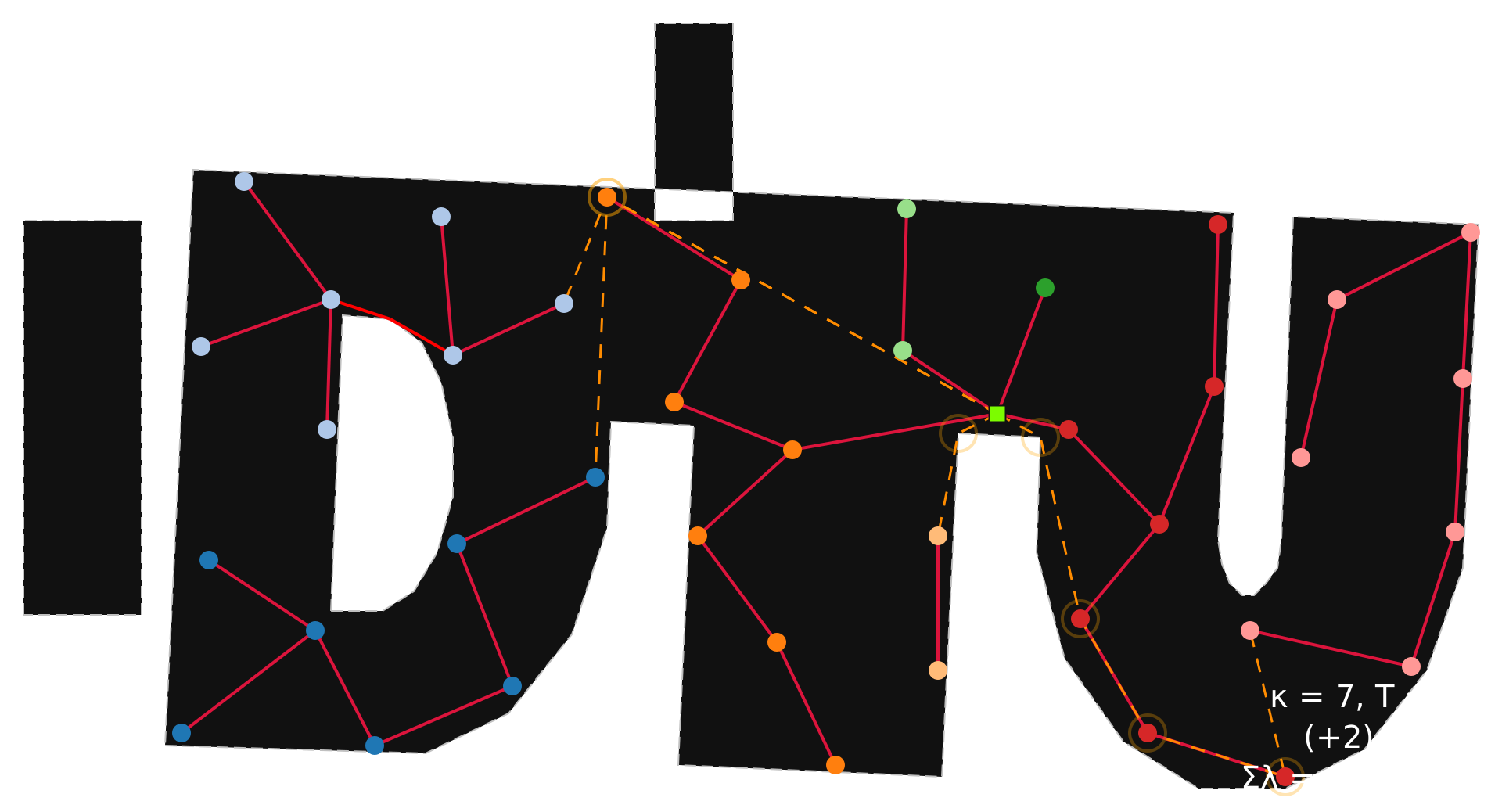
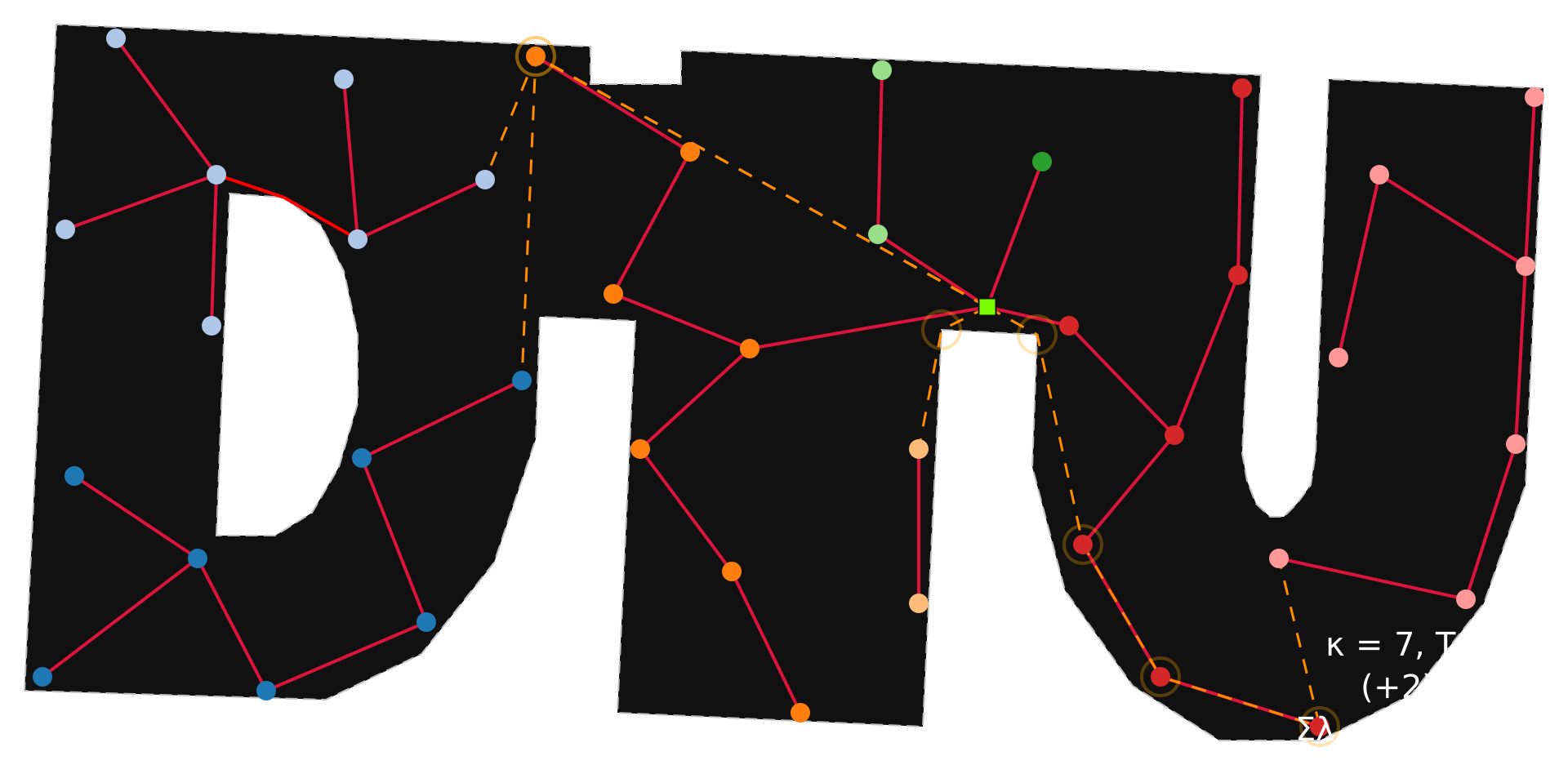
We can use .merge_obstacles_into_border() to refine the borders, simplify the boundary constraints and remove unrelavant obstacles.
[10]:
wfn2.merge_obstacles_into_border()
res_optimize = wfn2.optimize()
wfn2
Obstacle at index 1 is completely outside the border and is neglected.
Obstacle at index 2 intersects with the exteriour border and is merged into the exterior border.
[10]:
Buffering
After initializing the WindFarmNetwork, a buffer can be applied to borders and obstacles via .buffer_border_obstacles method. The exterior border will be expanded, while interior obstacles will be shrunk accordingly.
Initialize WindFarmNetwork instance
[11]:
wfn3 = WindFarmNetwork.from_pbf(filepath='data/DTU_letters.osm.pbf', cables=7)
res_optimize = wfn3.optimize()
wfn3
[11]:
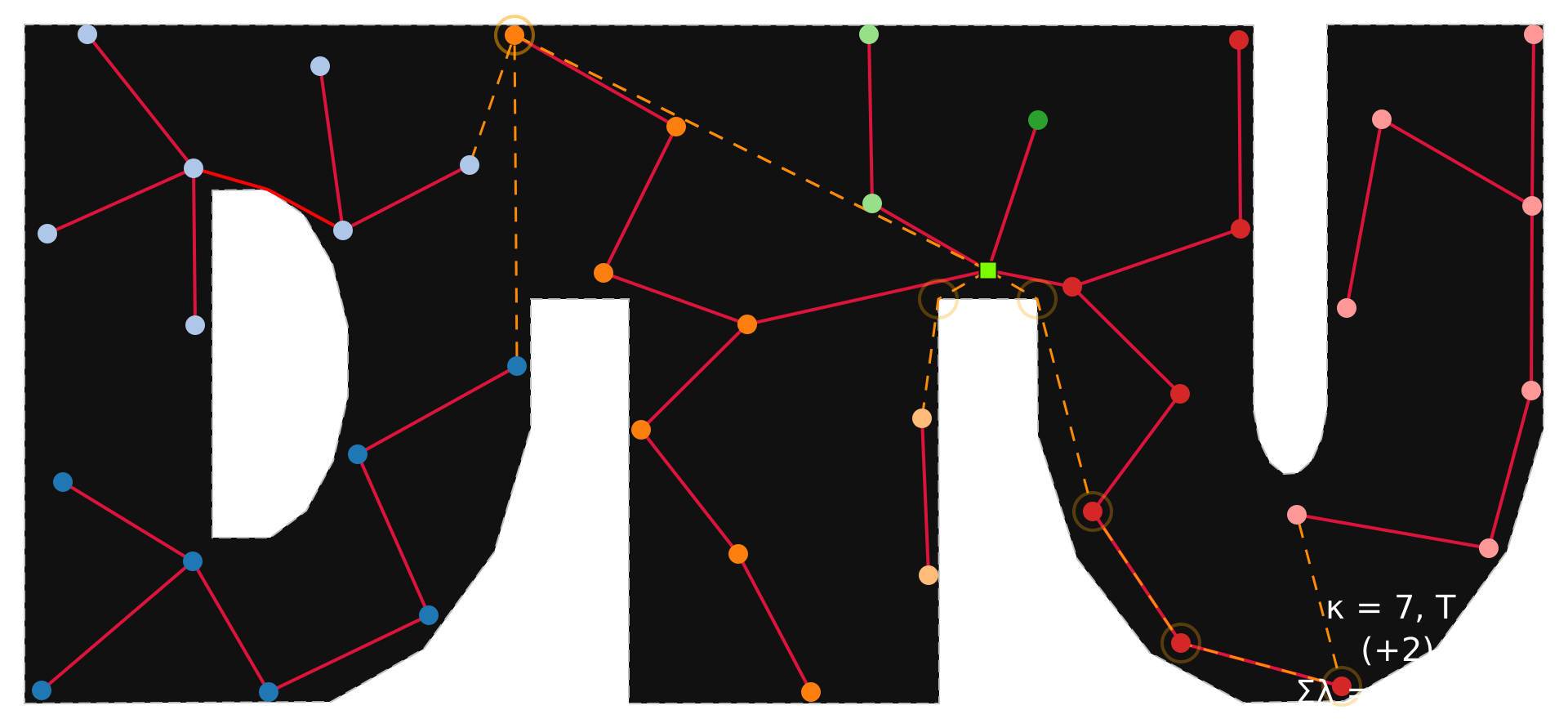
apply buffering to wfn3.
[12]:
wfn3.add_buffer(buffer_dist=5)
res_optimize = wfn3.optimize()
wfn3
The defined border is non-convex and buffering may introduce unexpected changes. For visual comparison use plot_original_vs_buffered().
[12]:
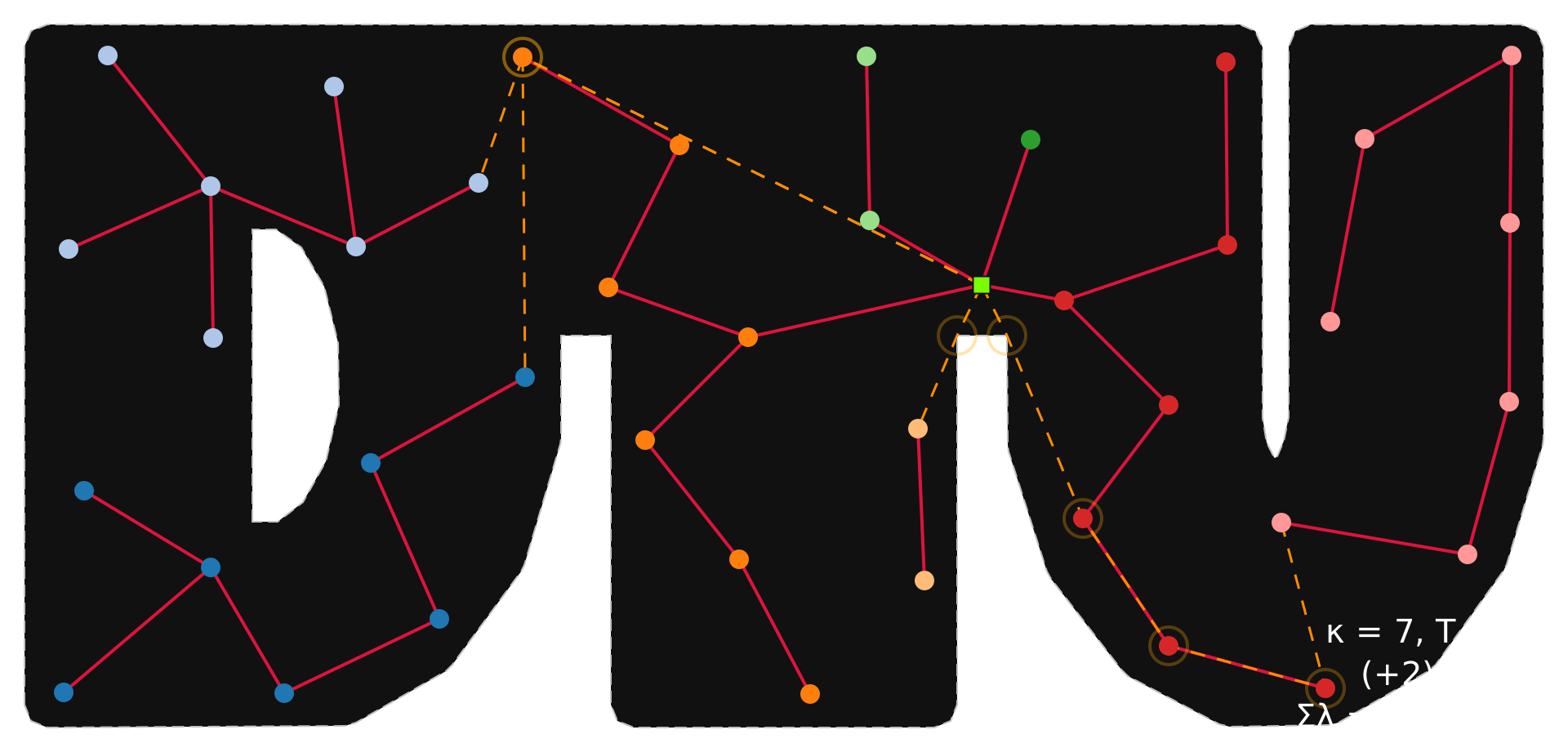
Original vs buffered border/obstacles can be visualized using plot_original_vs_buffered()
[13]:
wfn3.plot_original_vs_buffered();
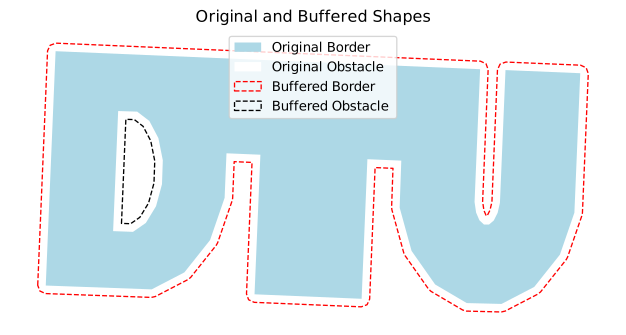
Removal of a concavity
In this case a message is printed out, providing information about the potential changes in the border.
[14]:
wfn4 = WindFarmNetwork.from_pbf(filepath='data/DTU_letters.osm.pbf', cables=7)
wfn4.add_buffer(buffer_dist=10)
The defined border is non-convex and buffering may introduce unexpected changes. For visual comparison use plot_original_vs_buffered().
Plotting original vs buffered borders confirms that one of the concavities is removed after buffering.
[15]:
wfn4.plot_original_vs_buffered();
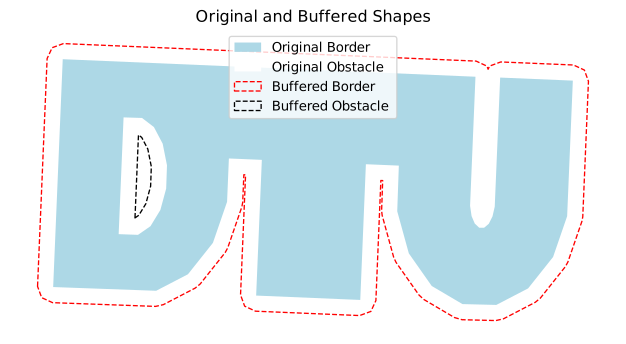
Optimize
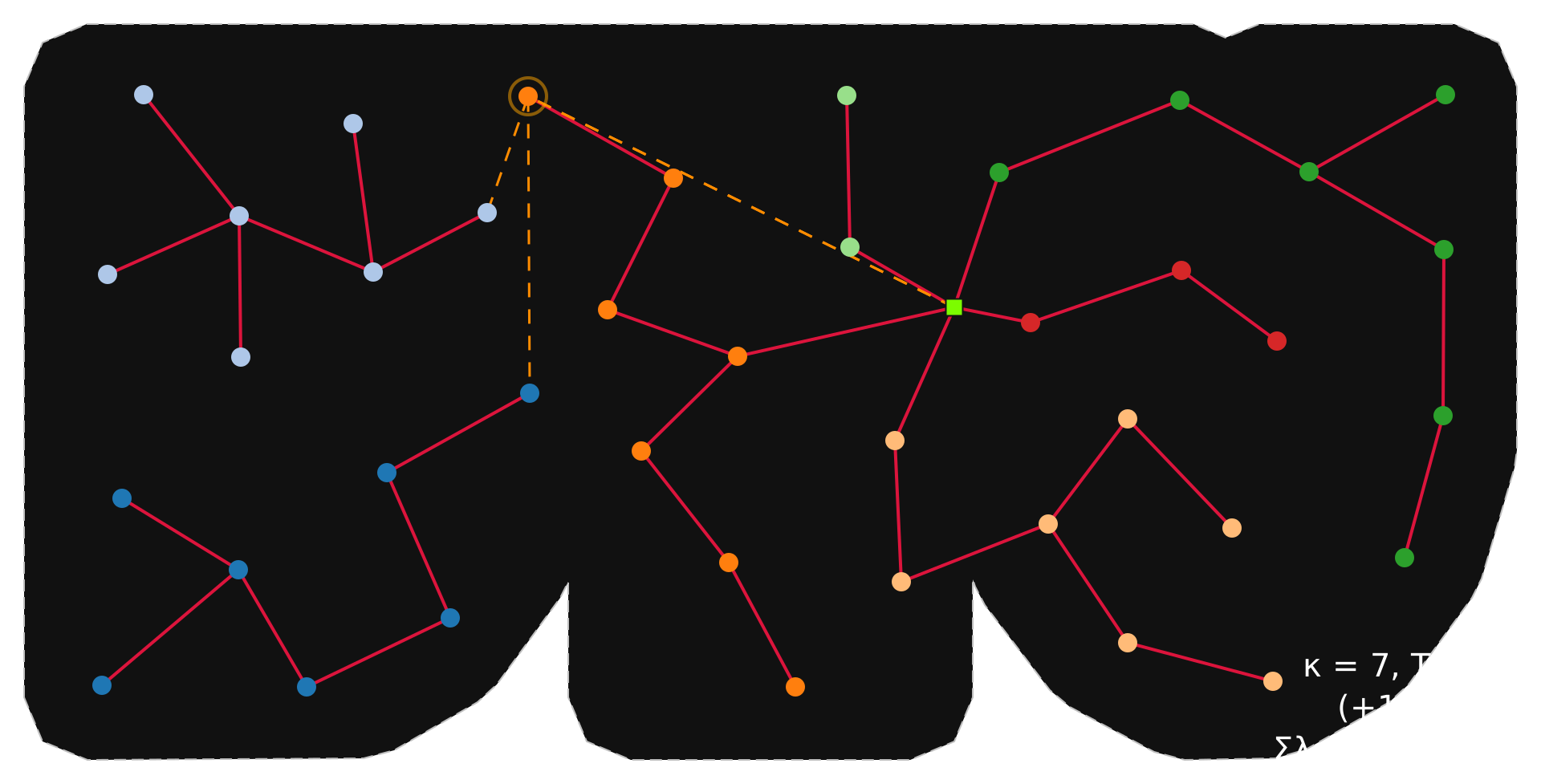
The optimized network might change and use new routes after buffering.
[16]:
res_optimize = wfn4.optimize()
wfn4
[16]:
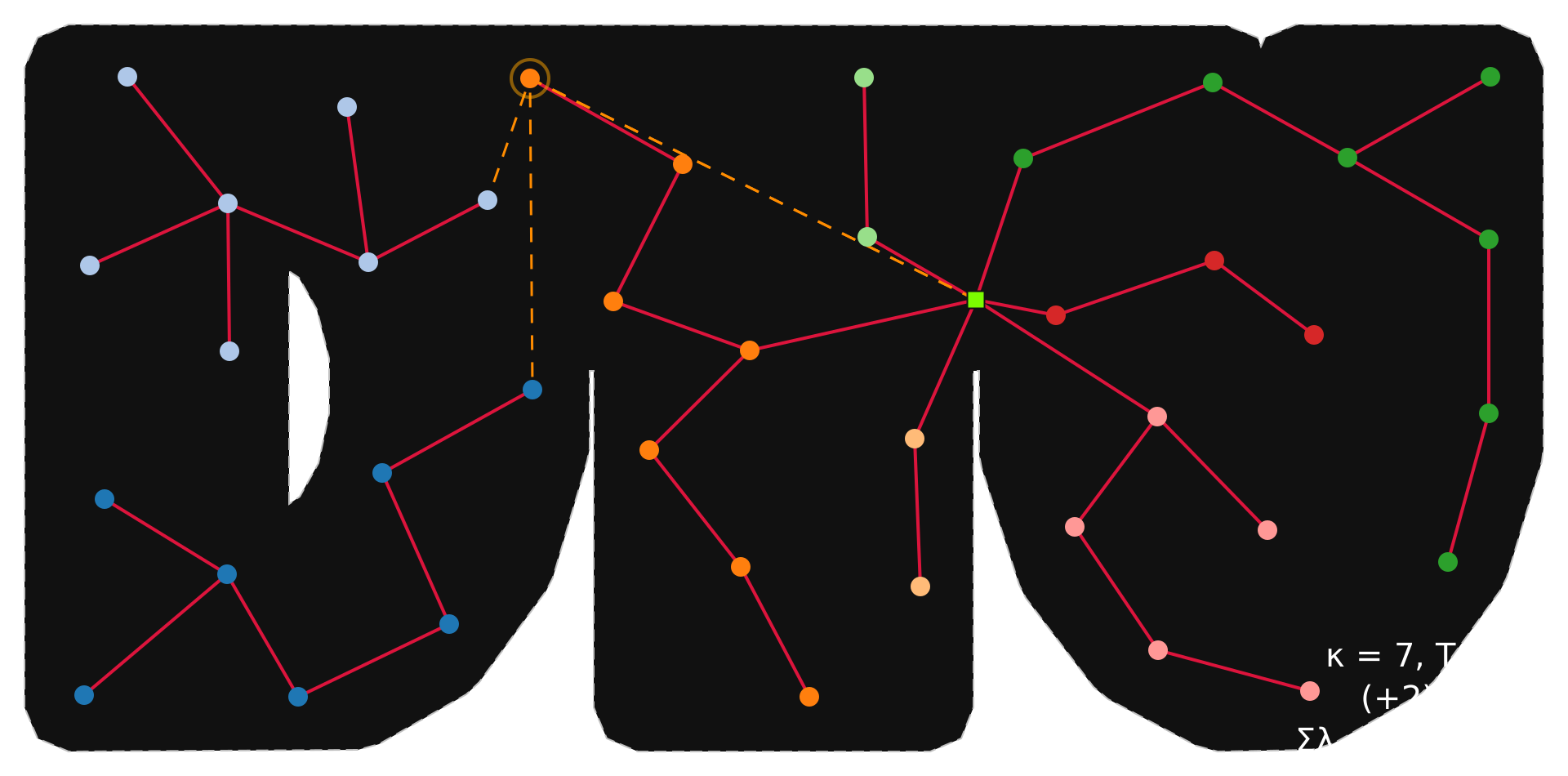
Removal of an obstacle
[17]:
wfn5 = WindFarmNetwork.from_pbf(filepath='data/DTU_letters.osm.pbf', cables=7)
wfn5.add_buffer(buffer_dist=15)
The defined border is non-convex and buffering may introduce unexpected changes. For visual comparison use plot_original_vs_buffered().
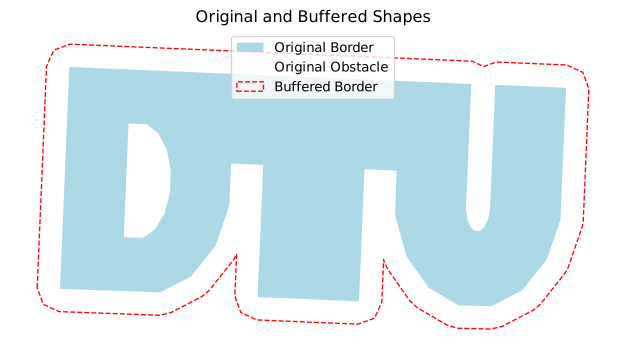
Buffering by 15.00 completely removed the obstacle at index 0. For visual comparison use plot_original_vs_buffered().
Plotting original vs buffered borders confirms that abostacle (inside D letter) is removed after buffering.
[18]:
wfn5.plot_original_vs_buffered();
Optimize
The optimized network might change and use new routes after buffering.
[19]:
wfn5.optimize()
wfn5
[19]:
Turbines outside the border or inside the obstacles
When wfn.optimize() is called, it first checks if the all turbines are within the allowed area and not inside any exclusion zone. A ValueError exception is raised if this is not the case.
[20]:
turbinesC = np.array([
       [0, 0],
       [ 316976, 6175410],
       [ 316998, 6175380],
       ])

borderC = np.array([
       [316956, 6175267],
       [317022, 6175265],
       [317043, 6175275],
       [317059 , 6175295],
       [317068, 6175322],
       [317069, 6175349],
       [317090, 6175348],
       [317086, 6175262],
       [317153, 6175259],
       [317157, 6175346],
       [317178 , 6175345],
       [317177, 6175316],
       [317184, 6175289],
       [317199, 6175268],
       [317218, 6175256],
       [317240, 6175256],
       [317260, 6175266],
       [317276, 6175286],
       [317285, 6175312],
       [317289, 6175399],
       [317242, 6175401],
       [317239, 6175319],
       [317238, 6175312],
       [317235, 6175308],
       [317232, 6175305],
       [317229, 6175305],
       [317226, 6175308],
       [317224, 6175313],
       [317223, 6175319],
       [317227, 6175402],
       [316963, 6175413],
       ])

substationsC = np.array([
       [317167 , 6175351]])
[21]:
wfn6 = WindFarmNetwork(
    turbinesC=turbinesC,
    substationsC=substationsC,
    borderC=borderC,
    obstacleC_=obstaclesC_,
    cables=7,
)
[22]:
wfn6.optimize()
---------------------------------------------------------------------------
ValueError                                Traceback (most recent call last)
Cell In[22], line 1
----> 1 wfn6.optimize()

File ~\docs\git\OptiWindNet.git\build\__editable__.optiwindnet-0.1.4.dev10+g213466bca-py3-none-any\optiwindnet\api.py:561, in WindFarmNetwork.optimize(self, turbinesC, substationsC, router, verbose)
    557 else:
    558     warmstart = {}
    560 self._S, self._G = router.route(
--> 561     P=self.P,
    562     A=self.A,
    563     cables=self.cables,
    564     cables_capacity=self.cables_capacity,
    565     verbose=verbose,
    566     **warmstart,
    567 )
    568 self._is_stale_SG = False
    570 terse_links = self.terse_links()

File ~\docs\git\OptiWindNet.git\build\__editable__.optiwindnet-0.1.4.dev10+g213466bca-py3-none-any\optiwindnet\api.py:257, in WindFarmNetwork.P(self)
    255 "Triangular mesh over `L` (navigation mesh)."
    256 if self._is_stale_PA:
--> 257     self._refresh_planar()
    258 return self._P

File ~\docs\git\OptiWindNet.git\build\__editable__.optiwindnet-0.1.4.dev10+g213466bca-py3-none-any\optiwindnet\api.py:215, in WindFarmNetwork._refresh_planar(self)
    211             out_of_bounds -= obstacle.exterior
    212     if not out_of_bounds.is_empty:
    213         # TODO: if relevant, get coordinates of turbines from out_of_bounds
    214         #  print(list(out_of_bounds.geoms))
--> 215         raise ValueError('Turbine out of bounds!')
    216 self._P, self._A = make_planar_embedding(self._L)
    217 self._is_stale_PA = False

ValueError: Turbine out of bounds!